A fresh coat of paint can make almost anything look better for a little while. That’s the trouble with it. On a lot of the older houses around Derby, Nottingham and Leicester, paint covers up a problem that needed sorting first, and within a year or two, it’s back.
We see this a lot with Victorian terraces, Edwardian semis, and the odd farmhouse or cottage on the edge of town. The walls look fine on the day the decorator leaves. Then the bubbling starts again, or the same crack reopens in the same spot, and the homeowner is left wondering whether they just hired the wrong painter.
Usually, they didn’t. The paint job was never the actual problem.
Six signs worth paying attention to
A few things tend to show up together on older properties, and they’re worth getting checked before anyone picks up a brush:
- Paint that bubbles, flakes, or peels again within a year of being redone
- A crack that comes back in exactly the same place after being filled
- Render that’s gone powdery or chalky, and rubs off on your hand
- Sash windows that won’t sit flush anymore, or timber that’s gone soft at the joints
- Cornicing or a ceiling rose that looks “melted,” with the detail lost under years of old paint
- A musty smell in a room that’s just been freshly decorated
None of these is a reason to panic. Most older homes have at least one or two of them, and a lot of the time it’s manageable. But they’re a sign that the wall, the render, or the woodwork needs attention before paint goes anywhere near it, not after.
Why painting over the problem usually makes it worse
Houses built before around 1920 were generally built to breathe. Solid brick walls, lime plaster and lime render let moisture move through them and evaporate out, rather than sealing it in. Modern paints and renders are often designed to do the opposite: they form a tight, largely waterproof layer on the surface.
Put a modern, vapour-tight paint or render onto a wall that was built to breathe, and the moisture that used to pass through it has to go somewhere else. It often ends up trapped behind the surface, which is exactly when you start seeing bubbling paint, crumbling plaster, or that musty smell that won’t shift no matter how much you air the room. The fix at that point usually isn’t another coat of paint. It’s stripping back to find out what’s actually going on underneath, and starting again with materials that suit the building.
This is the bit that’s easy to miss when you’re just after a quick refresh: on a period property, what’s underneath the paint matters more than the paint itself.
What restoration actually involves, versus a straightforward repaint
A standard repaint is fairly predictable: clean the surface, fill the odd minor crack, prime if needed, two coats on top. A restoration starts a step earlier, with working out why the wall is behaving the way it is before any paint or render goes anywhere near it.
In practice that might mean checking whether render needs replacing with a lime-based mix rather than modern cement render, repairing rather than replacing original joinery wherever it can be saved, or working out whether a damp patch is coming from a blocked gutter outside rather than anything wrong with the wall itself. It’s slower than a same-day repaint, and it’s not always the most obvious-looking job from the street. But it’s the difference between a job that lasts and one that needs doing again in eighteen months.
Why this matters more around here than it might elsewhere
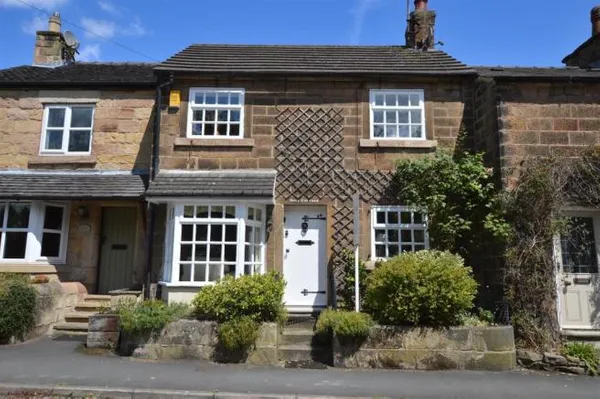
Derby, Nottingham and Leicester all have a good amount of older housing stock, Victorian terraces around the Lace Market and through parts of Nottingham, Edwardian semis in Beeston and Chaddesden, older cottages and farmhouses out toward Long Eaton and Ilkeston. A lot of it still has its original features: sash windows, decorative plasterwork, lime render under later layers of modern paint.
If your street happens to sit inside a conservation area, there’s also a practical point worth knowing: changing the external appearance of the property, including exterior colour in some cases, can need approval from the council before work starts. Worth a quick check before you commit to a colour.
We’ve taken on a fair few projects exactly like this. One cottage renovation involved finishing off window repairs that a previous contractor had left half done, which took around three weeks once we got into it properly. Another was a property nearing 140 years old, where the better long-term call turned out to be carefully restoring the original features rather than ripping them out and replacing them. Both jobs started the same way: working out what was actually going on before deciding what to do about it.
A few questions people usually ask
Can an old house be painted with normal modern paint? Generally, no, at least not if the walls are solid brick with lime plaster or render underneath. Breathable, lime-compatible paints let the wall keep working the way it’s designed to. Standard vinyl emulsion or modern masonry paint can trap moisture in and cause exactly the bubbling and flaking described above.
Are cracks in old plaster always something to worry about? Not always. Older buildings move slightly with the seasons, and hairline cracks that don’t return after filling are usually just cosmetic. A crack that keeps coming back in the same spot, especially if it’s widening, is worth getting looked at properly rather than just filled again and again.
Does restoring original features actually add value if I’m planning to sell? In most cases, yes. Buyers looking at period properties are often drawn to the original character: sash windows, cornicing, and fireplaces. Stripping that out for something more modern tends to work against you rather than for you when it comes to a sale.
How do I know whether I need a decorator or a structural survey first? If doors and windows have started sticking, or a crack is visibly widening over a few months, it’s worth getting a structural opinion before anyone touches the décor. If it’s more about tired paintwork, flaking render, or plasterwork that’s lost its detail under old layers, that’s the kind of thing we can usually assess on a normal visit.
Worth a proper look before you decide anything
If any of this sounds familiar, the most useful next step is usually just having someone take a proper look, rather than guessing from the outside. Get in touch with LaDecor, and we’re happy to come and have a look at what’s actually going on before anyone talks about what to do next.